Loading
SYSTEM: SCANNING
OBS19,593
Intelligence
Observatory.
AIscentra is continuous monitoring of the global AI ecosystem. We separate significant changes from noise and preserve the provenance of every statement.
Signals


Scarce signals.
ACTIVE35d ago
Chemical Filters
AI-generated materials often violate chemical principles. New filters screen out implausible compositions, enabling faster materials discovery. This could accelerate real-world applications.
CONFIDENCE 61%Trace ↗
ACTIVE40d ago
GitHub Copilot Simplifies DNS
Developers can now use GitHub Copilot to set up custom domains without configuring DNS, eliminating the frustration of A records and CNAME entries. This streamlines the process of making a project live on the internet. The impact is a smoother development experience, but it's unclear how widely this will be adopted.
CONFIDENCE 67%Trace ↗
ACTIVE41d ago
Copilot Code Review
Copilot code review uses AI to find problems in code before they ship. Better tools didn't improve it at first. GitHub improved it by changing how it works.
CONFIDENCE 71%Trace ↗
ACTIVE43d ago
Deep Transformer Expressivity
Deep transformers form hierarchical representations, but their expressivity is not well understood. This analysis uses bounded-depth grammars to study how they capture abstract features. The findings could impact language modeling and beyond.
CONFIDENCE 63%Trace ↗
ACTIVE43d ago
AlphaFold2 Analysis
AlphaFold2's parameters, trained on protein structures and sequence alignments, may encode more than just sequence-to-structure conversion. This could reveal new insights into protein conformational landscapes. The implications are significant for protein research and related fields, but the findings need further verification.
CONFIDENCE 63%Trace ↗
ACTIVE44d ago
KV Cache Compression
Transformer inference is bottlenecked by key-value cache memory costs, which grow with batch size and context length. A new method combines Tucker and JL-Residual allocation to compress the cache with minimal loss. This could significantly improve throughput for long-context models.
CONFIDENCE 67%Trace ↗
Forecasts
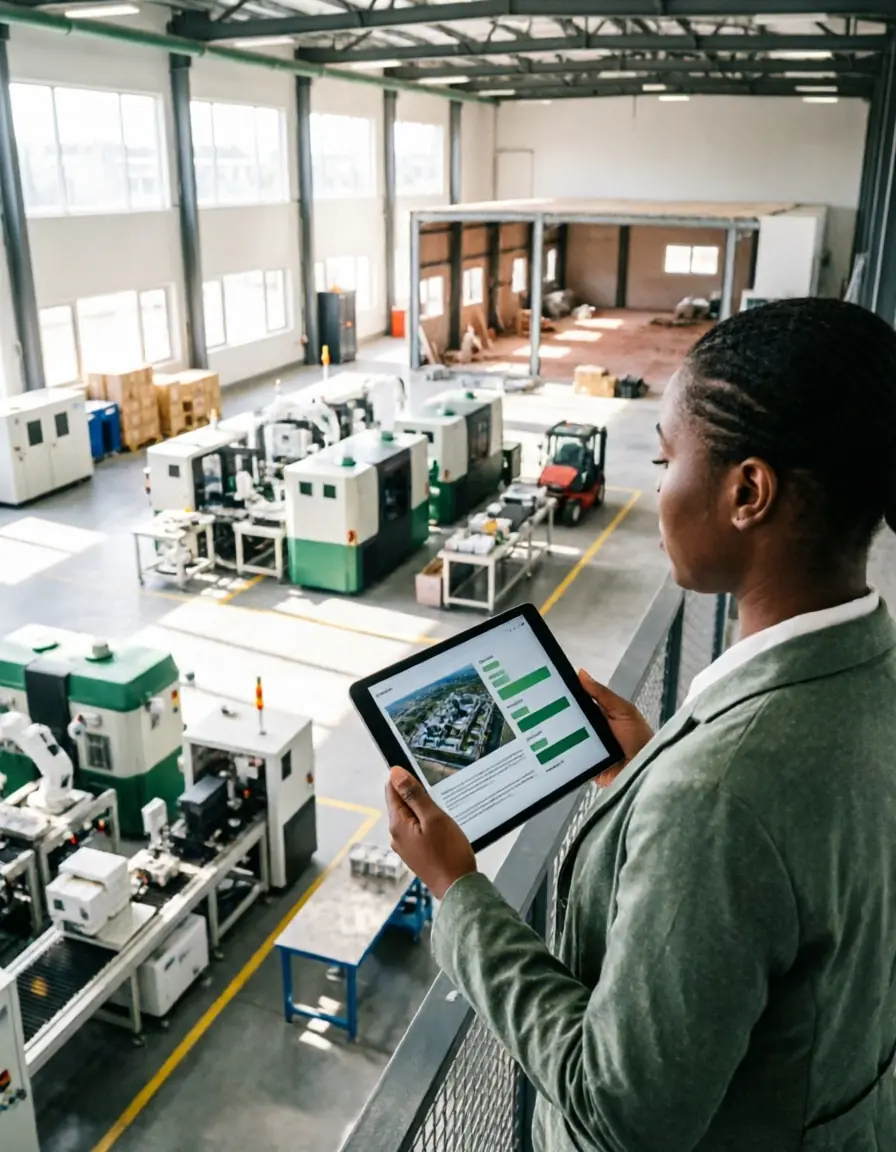
Forecasts.
FROM SIGNALS TO FORESIGHT
The next shift in AI is rarely revealed by a single event. AIscentra connects converging signals, verified evidence and historical patterns to build time-bound, testable forecasts of what may happen next.
Every forecast will disclose its probability, time horizon, supporting evidence and revision history. Outcomes will be measured openly — so predictive accuracy is demonstrated, not claimed.
FORECAST ENGINE — IN DEVELOPMENT
Initial forecasts will appear after the Signal Engine completes production validation.
Observations
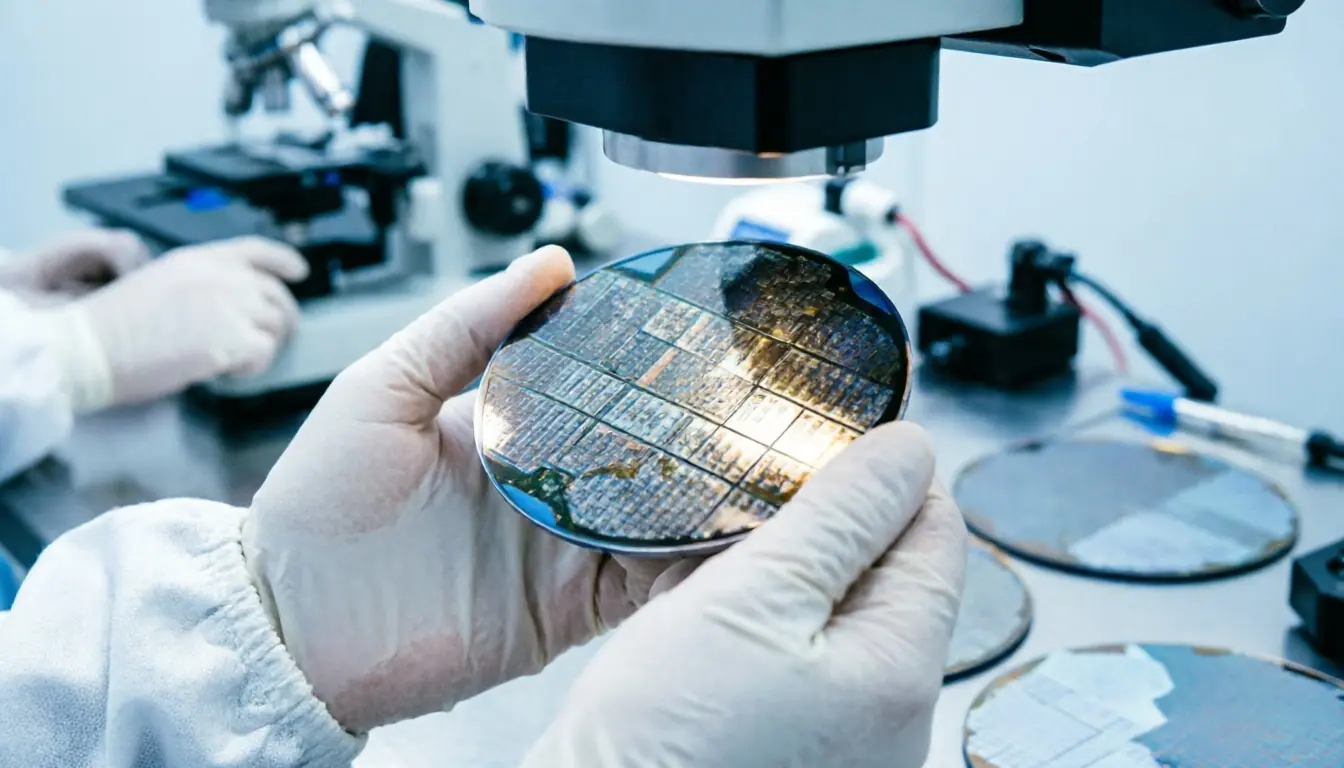
Observations.
Early developments that may become significant signals. AIscentra tracks supporting evidence, contradictions and changes over time before reaching a conclusion.
INFRASTRUCTUREACTIVE
GitHub Availability
GitHub added a new section to its monthly reports, focusing on availability work and infrastructure investments. Customers want more updates, even when the news is mixed. This shows a desire for transparency in GitHub's operations.
Evidence ↗RESEARCHACTIVE
GitHub Security
Maintainers often find security settings dense and overwhelming, but ignoring them can lead to security issues. GitHub Security Lab recommends enabling key settings to protect projects. Simple changes can significantly improve security.
EvidenceStrategic Memory
Institutional memory.
AIscentra doesn't just collect signals; it builds a versioned Knowledge Graph. Events, entities, and facts are linked over time, creating an evolving memory that grows more valuable every year.
NODES SYNCED: UNAVAILABLE
SOURCE
SIGNAL
EVENT
ENTITY
FACT
ENTITY v2
SIGNAL
KNOWLEDGEGRAPH
SIGNAL
EVENT
SOURCE